
In-House FSW vs. Outsourced Welding: Which Cost Model Wins?
Table of Contents
- Why Do In-House FSW Cost Models Look Different From Outsourcing Quotes?
- What Fixed Costs Should You Count in the In-House FSW Case?
- Which fixed cost do buyers most often underestimate?
- When Does Outsourced FSW Welding Win on Total Cost?
- How Do Quality, Lead Time, and Process Control Change the Comparison?
- Which process data should buyers review before signing?
- What Should You Ask Before Choosing In-House FSW?
- What Questions Do Procurement Teams Ask Most About FSW Sourcing?
- How accurate are machine cost models before a formal quotation?
- Does outsourcing always reduce quality risk?
- Which machine type matters most in an in-house FSW cost model?
- What should buyers send to get a realistic comparison?
Most in-house FSW vs. outsourced welding comparisons stop at machine price against per-part fees. That misses the cost elements that decide the business case: fixtures, pin tools, process qualification, scrap risk, and the engineering time required to keep a weld stable. Having built cost models for standard and customized FSW machines at Aerospace Engineering Equipment, I keep seeing the same split: in-house welding wins when annual volume and repeatability can absorb fixed costs, and outsourcing wins when part mix is unstable or machine utilization stays low. This article lays out that total cost logic before you commit either way.
Why Do In-House FSW Cost Models Look Different From Outsourcing Quotes?
A machine price and a per-part quote cannot be compared directly because they carry different cost structures. The machine purchase forces you to buy capacity before you have parts. The outsourcing quote spreads capacity, tooling, engineering, and margin across every part and puts most fixed cost on the supplier. That is why the same annual volume can show opposite conclusions depending on which side of the model you ignore.
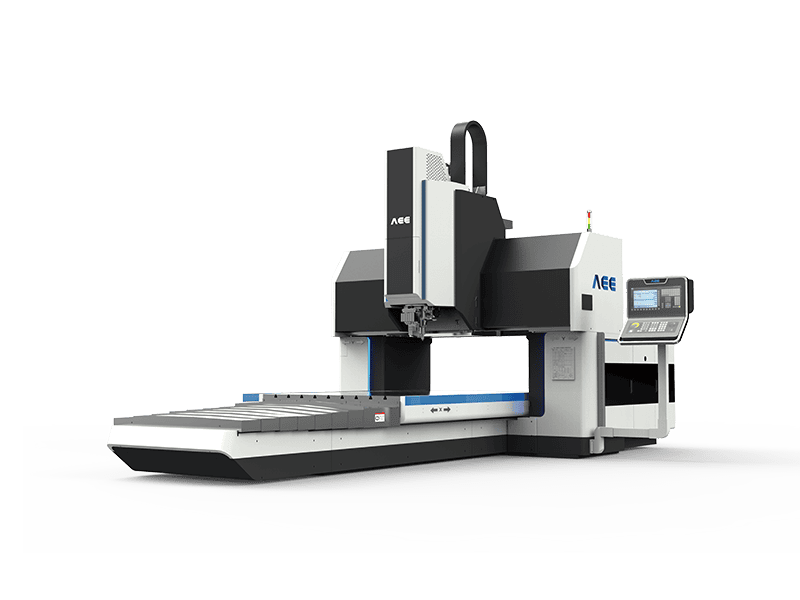
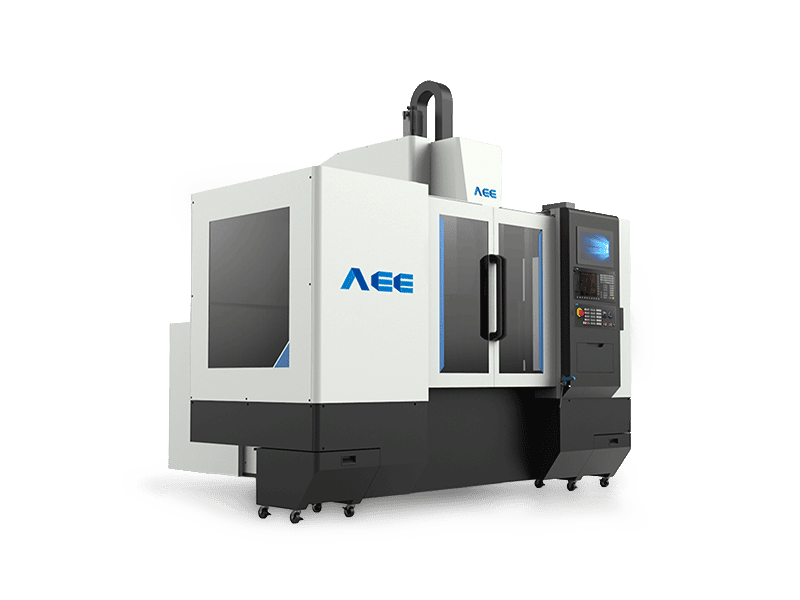
In practice the machine class matters first. A gantry machine for large aluminum battery trays belongs to a different capital and facility class than a C-type machine for water cooling plates. In our machine range, a C-type machine with a 12 kW spindle and 30 kN Z-axis force welds up to 8 mm depth in 6xxx aluminum, while a heavy load gantry machine with a 105 kW spindle and 200 kN Z-axis force reaches 100 mm single-side aluminum welds. That spread affects foundation, power supply, fixture mass, and operator skill, not just purchase price.
| Cost category | In-house FSW | Outsourced welding |
|---|---|---|
| Equipment and spindles | Capital cost, depreciation, rebuilds and spare parts | Included in per-part price |
| Tooling and fixtures | Pin tools, holders, backing plates and clamping | Supplier scope, but design changes may trigger re-quote |
| Process development | WPS, parameter trials, NDT and operator training | Supplier qualification, audit and evidence |
| Capacity and utilization | Idle capital when volume drops | Supplier manages capacity across customers |
| Per-part cost | Falls with higher utilization | Remains stable but includes supplier margin |
This table covers the first layer. The second layer is timing: in-house FSW starts consuming engineering time before first production, while outsourcing shifts that time to the supplier but adds distance between your team and the weld data.
What Fixed Costs Should You Count in the In-House FSW Case?
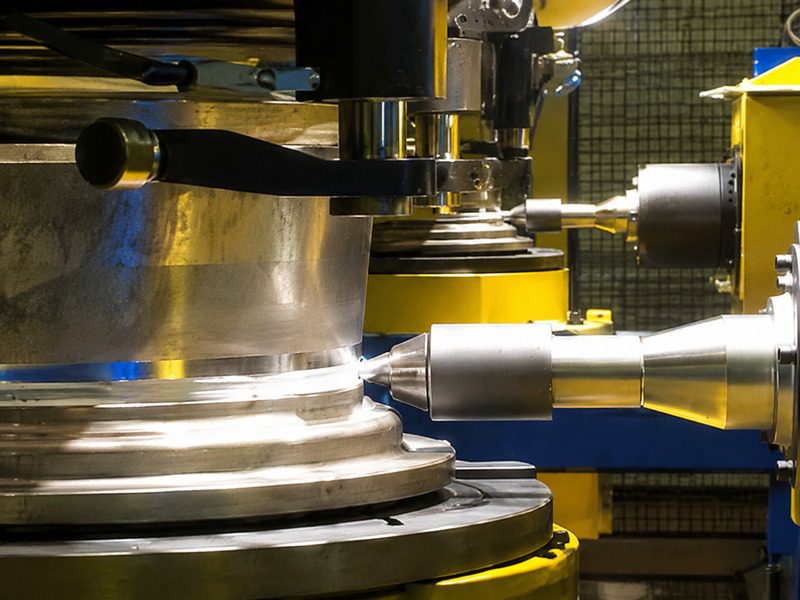
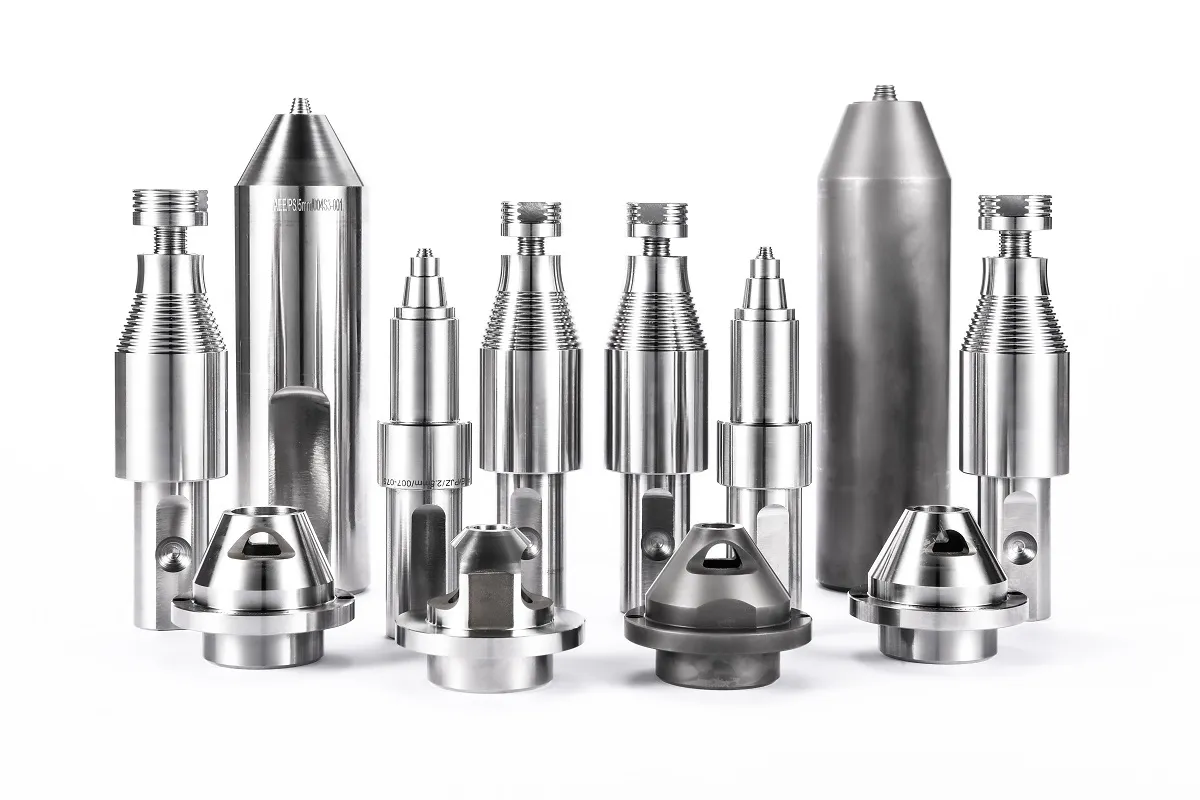
A realistic in-house model includes at least seven fixed cost lines beyond machine price: foundation and installation, fixturing, pin tools and holders, auxiliary systems, operator training, WPS qualification, and maintenance reserves. Most buyers remember the machine and forget the pin tool and fixture engineering. A pin tool is a consumable; its life depends on alloy, plunge rate, rotational speed, and shoulder design. Backing plates wear unevenly under high clamping pressure, especially on long profiles.
Process qualification can be the largest hidden schedule cost. A new weld procedure may need dozens of trials before travel speed, spindle speed, axial force, and tilt produce a repeatable weld with acceptable tensile and bend results. If the part is a sealed enclosure or a battery tray, leak testing and sectioning add more days. These costs do not appear on a machine quote; they appear in engineering hours and launch delay.
When spot welds or closed-loop welds are part of the program, <Refill Friction Stir Spot Welding (RFSSW)> covers how exit-hole-free refill spot welding changes cycle time and tooling assumptions compared with conventional FSSW.
Which fixed cost do buyers most often underestimate?
The fixture system. A fixture that cannot hold edges flat under 30 kN axial force lets the tool press material out of the joint or create lack of fill. The corrective tooling loop, redesign, machining, and re-qualification often costs more than the original fixture budget.
When Does Outsourced FSW Welding Win on Total Cost?
Outsourcing wins when annual volume is low, part mix is broad, or the launch schedule is too short to build internal process knowledge. A supplier with qualified procedures for 6xxx aluminum water cooling plates or EV battery tray seams can shorten first article approval because it already owns the tooling and parameter window. That speed has real value when production deadlines are fixed.
The in-house FSW vs. outsourced welding decision changes shape once utilization and product mix enter the calculation. The in-house advantage reverses when utilization is weak. A machine that runs one shift every other week carries depreciation, floor space, and maintenance on every part it produces. In that scenario the per-part cost can exceed a supplier’s quote even before quality and scrap are counted. This is not a flaw in FSW as a technology; it is a mismatch between capacity and demand.
The break-even moves with product mix. If the same machine must switch among thin heat sinks, thick structural rails, and prototype housings, setup and tooling replacement consume the hours that were supposed to create savings. Outsourcing transfers that switching cost to the supplier and lets you compare a single price per part.
When part families include mixed-material joints, <Customized Dissimilar Material Welding Manufacturers in China> covers how specialized tooling and process windows for aluminum-copper or aluminum-steel combinations alter qualification cost and lead time.
If your program combines thin-wall enclosures and thick structural parts, it is worth confirming whether one machine can cover both before splitting the work between in-house and outsourced welding. Send your weld envelope, alloy grade, and annual quantity to [email protected] and we will mark where the fixed cost lines actually sit.
How Do Quality, Lead Time, and Process Control Change the Comparison?
Quality risk does not disappear in either model; it changes owner. With in-house FSW, your team owns parameter drift, pin tool wear, and NDT interpretation. With outsourcing, you own supplier selection, incoming inspection, and the consequences of a missed defect that passes through. The lower quote is not always the lower cost if the supplier lacks process monitoring.
The dual-worktable C-type machine in our range carries force, position, torque, and temperature control with data acquisition, visual recognition, laser tracking, and weld monitoring. That traceability lets an in-house team catch a shift in axial force or spindle torque before it turns into tunnel defects or flash. An outsourcing supplier may have the same systems, but you need to verify them during a factory audit rather than assume they exist.
Which process data should buyers review before signing?
Ask for axial force, spindle torque, and temperature logs from a trial weld on your alloy, not just a final certificate. The logs show whether the supplier held force control or drifted while compensating in position, and whether the weld stayed inside a narrow process window. That review is cheap compared with the cost of qualifying a machine later.
Lead time also changes the model. In-house FSW requires machine delivery, foundation work, installation, training, and process qualification before the first production part. Outsourcing can begin with a purchase order and a first article schedule, but you inherit the supplier’s current backlog and tooling lead time.
What Should You Ask Before Choosing In-House FSW?
Before choosing, work through three inputs. Annual quantity and total linear weld length set the utilization level. Alloy range and joint thickness set the machine class and pin tool burden. Design change frequency sets fixture and WPS rework risk. If the answers point to a stable product family and repeatable weld length, in-house FSW usually wins over a five-year horizon. If the answers point to prototypes, broad mix, or uncertain demand, outsourcing keeps risk lower. A common transition also works: buy capacity when volume justifies it and keep outsourcing the exceptions.
The decisive input is an honest comparison, not a machine quote or a per-part figure alone. Send us your part drawing, material grade, annual quantity, weld length, and current outsourcing price. We will build a total cost model, separate fixed and variable lines, and show which route pays back within your planning horizon. Email [email protected] or call +86 18325808715.
What Questions Do Procurement Teams Ask Most About FSW Sourcing?
How accurate are machine cost models before a formal quotation?
A cost model is only as accurate as the tooling and fixture assumptions behind it. Machine price is usually confirmed early; the uncertain lines are pin tool consumption, fixture modifications, WPS qualification time, and scrap rate during ramp-up. A useful pre-quotation model should separate known capital costs from estimated engineering and consumable costs, then compare both against the current per-part price. Until those estimated lines are validated, any break-even figure should be treated as a range, not a single number.
Does outsourcing always reduce quality risk?
Quality risk does not drop when you outsource; it changes owner. The supplier carries process control on its floor, but your team still owns incoming inspection, audit frequency, and the cost of a field failure. Some suppliers produce better weld data than an internal lab, while others only issue a certificate and leave you to prove conformance. The comparison should include the cost of extra inspection and the time required to resolve a rejected batch.
Which machine type matters most in an in-house FSW cost model?
It depends on the weld envelope and part geometry. A thin-wall water cooling plate fits a compact C-type machine with lower capital and floor space. A large battery tray or rail panel needs a gantry machine with enough X-axis stroke, table width, and Z-axis force. Selecting the wrong machine changes foundation, fixture cost, maintenance reserves, and even scrap risk. Start from the maximum weld length, thickness, and clamping force the parts require, then work backward to machine class and spindle specification.
What should buyers send to get a realistic comparison?
In the sourcing discussions I have run with export buyers, the fastest route to a realistic comparison is a part drawing, alloy grade, annual quantity, weld length, and current per-part price. Those five items reveal the weld envelope, the consumable and fixture burden, the utilization level, and the pricing threshold the in-house case must beat. Without them, a supplier can only give a rough range. Share those items and we will return a comparison with fixed and per-part costs separated.
If you’re interested, check out these related articles:
AEE provides customer with optional features FSW tool
Customized Dissimilar Material Welding Manufacturers in China
AEE attend 13th International Symposium on FSW in Kyoto, Japan on 21 – 23 May 2024