
FSW Equipment Supplier Questions to Ask Before Ordering
Table of Contents
- FSW Equipment Supplier Questions on Process Capability
- 1. Which alloys and thicknesses have you already welded in production?
- 2. What process window gives acceptable mechanical properties, not just a visually clean weld?
- 3. Will the demonstration mimic my production joint or your easiest sample?
- FSW Equipment Supplier Questions on Machine Force, Control and Tooling
- 4. What is the maximum Z-axis force at my welding speed, not just spindle power?
- 5. How does the control system manage force and position during a run?
- 6. Which spindle torque and tool holder interface are you actually quoting?
- FSW Equipment Supplier Questions on Turnkey Scope and Acceptance
- 7. What is included in the quotation beyond the machine itself?
- 8. What acceptance criteria will you sign before shipment and after installation?
- FSW Equipment Supplier Questions on Service, Cost and Risk
- 9. What does five-year service look like in my region?
- 10. What is the total cost per meter of weld, not just the machine price?
- From Supplier Answers to a Qualified Order
- Common Buyer Questions About FSW Equipment Suppliers
- What does a standard FSW machine cost?
- How long does it take to deliver and install an FSW machine?
- What is the most common mistake buyers make when ordering FSW equipment?
- Does a more expensive FSW machine always weld better?
Most FSW equipment supplier questions start with price and delivery, but the answers that determine a successful installation are about process windows, spindle torque, tooling strategy, and acceptance criteria. A machine that welds a 6xxx aluminum demo coupon is not the same as a machine that holds force and speed across your production part. The ten questions below separate suppliers with real process data from those selling a machine. They come from fifteen years of friction stir welding equipment development and turnkey project delivery, not from a generic buying checklist.
FSW Equipment Supplier Questions on Process Capability
Process capability is the first filter. A machine specification sheet does not prove that the supplier knows what happens at the edge of your process window.
1. Which alloys and thicknesses have you already welded in production?
Ask for named alloys, thickness ranges, and joint configurations the supplier has welded in production, not in a laboratory demo only. A supplier that has qualified 2xxx aerospace aluminum or 7xxx structural parts should be able to show parameter sheets with rotation speed, travel speed, axial force, tilt, and tool type. If the answer stays at “we can weld it,” ask for a coupon. At AEE we run a feasibility sample on a buyer’s actual alloy and joint before quoting a formal line, because the difference between 6xxx and 7xxx is not a minor adjustment.
If the supplier’s standard sample library is all 6xxx aluminum and your program includes copper or aluminum to steel joints, ask for a dedicated feasibility run before committing. <Customized Dissimilar Material Welding Manufacturers in China> covers the process and tooling differences that appear when the material combination moves outside standard aluminum series, and how to distinguish a supplier with real dissimilar-welding depth from one quoting a machine only.
2. What process window gives acceptable mechanical properties, not just a visually clean weld?
A clean top bead does not prove tensile or fatigue performance. Ask for the full parameter window that keeps elongation, tensile strength, and bend angle inside your acceptance limits. Then ask what happens ten percent below and ten percent above the nominal travel speed. If the supplier cannot show force and torque logs at those points, the process window has not been mapped. That matters more than the top speed number in a brochure.
3. Will the demonstration mimic my production joint or your easiest sample?
A machine should be demonstrated on your joint configuration, with your material thickness, on a fixture that resembles production. A simple butt weld in 5 mm 6061 plate is the easiest case. A lap joint with a root hook requirement, a circumferential closure, or a hollow profile with no backing support is a different problem. If the demonstration cannot replicate the constraint, the result still leaves the main risk unaddressed.
FSW Equipment Supplier Questions on Machine Force, Control and Tooling
The machine frame and spindle set the physical limits. The control system determines whether the line holds those limits for thousands of cycles.
| Machine type | Maximum welding thickness | Typical production fit |
|---|---|---|
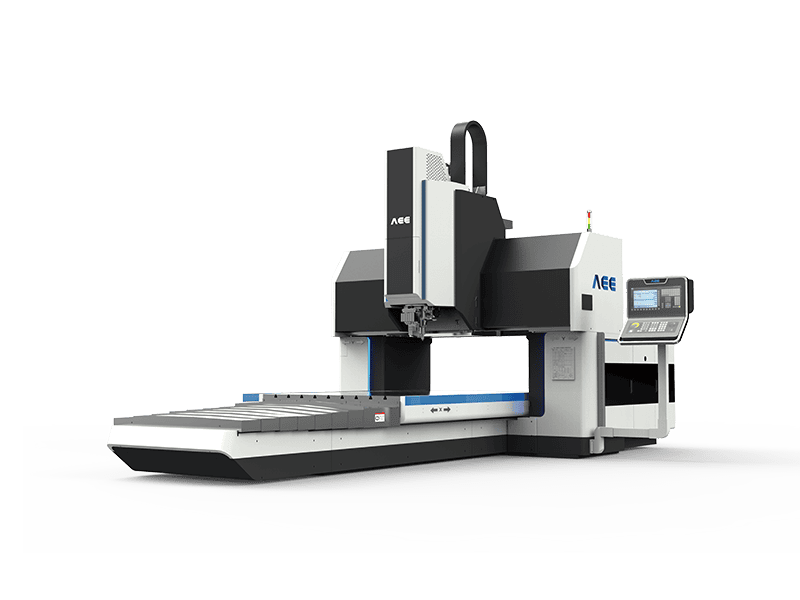
| C-type FSW machine | 8 mm aluminum | Radiators, water cooling plates, process development |
| Gantry FSW machine | 8 to 25 mm aluminum by model | Battery trays, rail panels, 1D and 2D welds |
| 3D FSW machine | 12 to 20 mm aluminum by model | Curved and complex surface parts |
| Heavy-load FSW machine | 100 mm aluminum, 35 mm copper single side | Rail, aerospace, shipbuilding, semiconductor, photovoltaic |
4. What is the maximum Z-axis force at my welding speed, not just spindle power?
Spindle power is not the same as axial force capacity. At travel speed, the machine must maintain Z-axis force without deflection or chatter. A 12 kW spindle on a light C-frame may not hold the same force as a 12 kW spindle on a rigid gantry. Ask for the force versus speed curve, not just maximum force at zero speed. A compact system with 30 kN Z-axis capacity suits thin-walled electronics parts, while heavy structural seams may require 200 kN or more.
5. How does the control system manage force and position during a run?
Ask how the controller closes the loop. Force control keeps the shoulder at a constant forging load when part height varies. Position control holds tool depth exactly but can produce force spikes on a non-flat part. A practical FSW line often uses force control for welding and position control for rapid moves, with data logging at high frequency. The demonstration should show force, torque, temperature, and axis error on screen.
6. Which spindle torque and tool holder interface are you actually quoting?
Ask for the spindle model, maximum rpm, torque, tool holder, and continuous force rating. Tool holder interface matters because a BT40 holder and a BT50 holder are not interchangeable, and a flange interface used on 3D machines changes what tooling can be mounted. Cross-check the spindle curve against your material. A 2 mm aluminum lap joint does not need a high-torque spindle, but a 100 mm aluminum seam requires a spindle that can deliver both high torque and axial force.
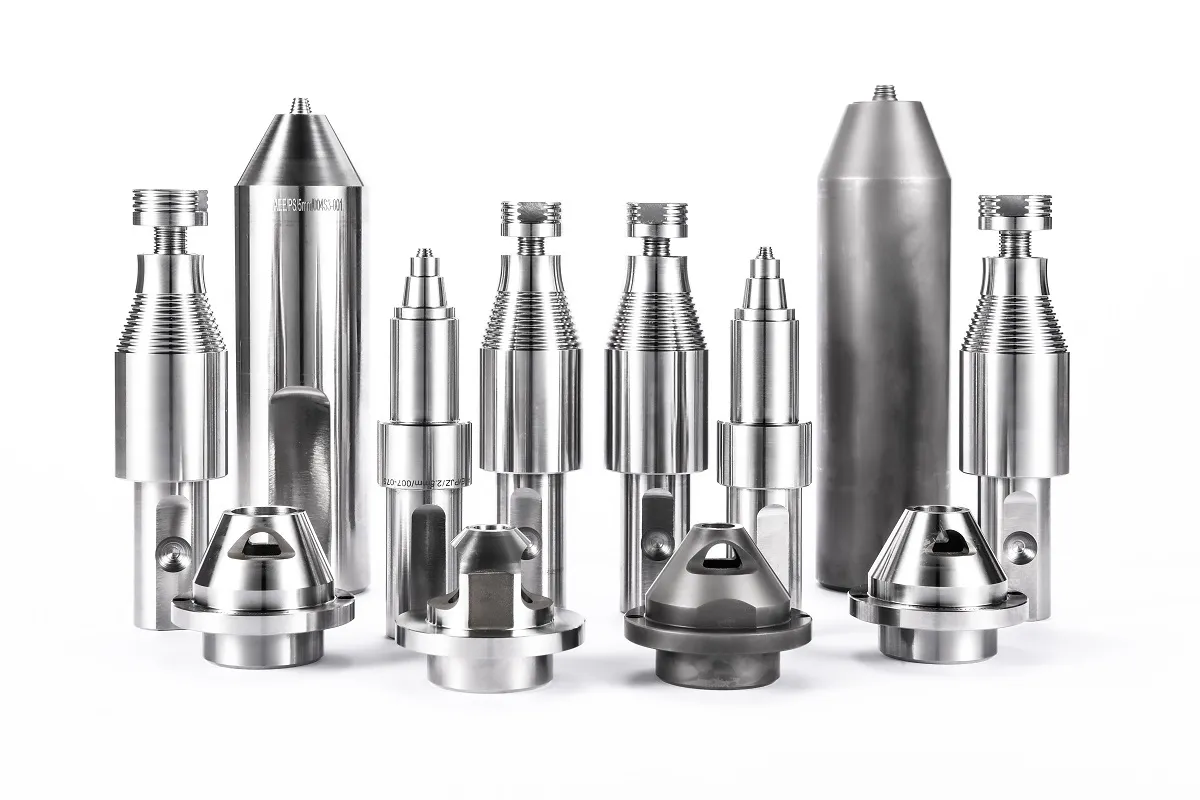
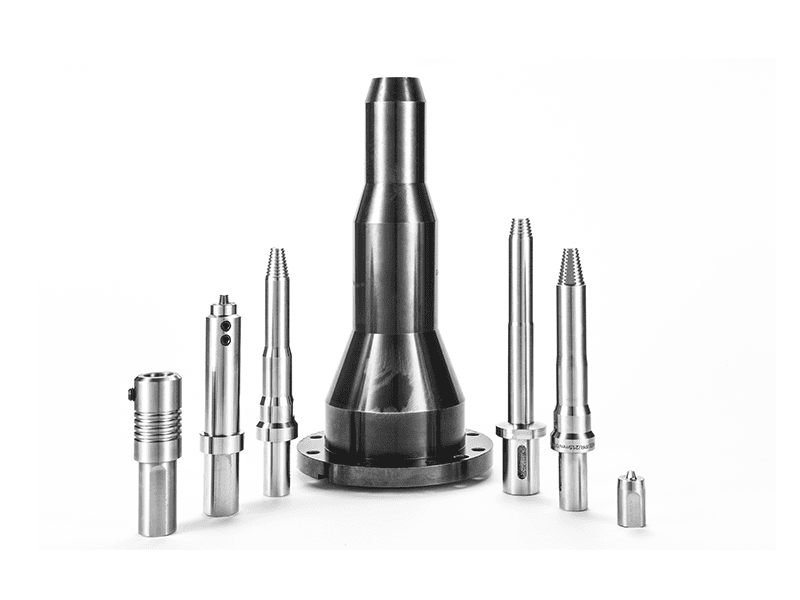
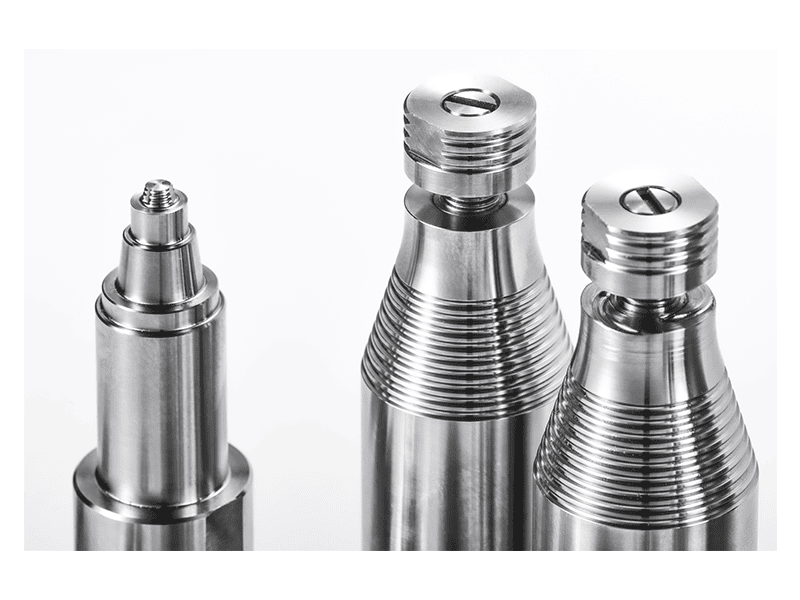
Before freezing the tool drawing, ask which features are standard and which are machine-dependent, because retraction, water cooling, and stationary shoulder operation all require control and interface support. <AE provides customer with optional features FSW tool> explains how tool features are matched to a machine’s control and spindle interface, and why ordering the tool without confirming that interface can create a costly mismatch.
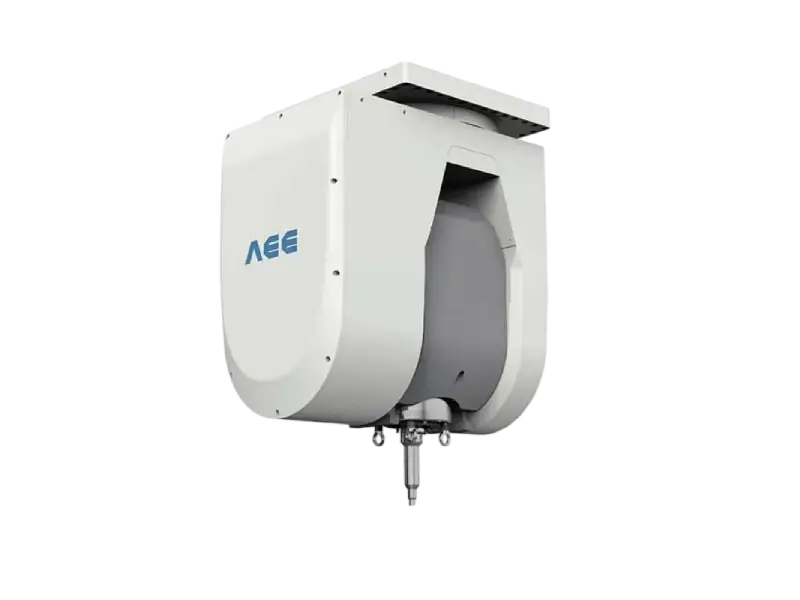
If your part requires a material, thickness, or tooling feature outside a stocked spindle and tool combination, it is worth confirming torque, holder interface, and expected tool life before finalizing the BOM. Send your part drawing and target weld length to [email protected] and we can check which spindle and tool package is realistic for your joint.
FSW Equipment Supplier Questions on Turnkey Scope and Acceptance
A machine is only one part of a production cell. The quotation should make the boundary between supplier responsibility and your responsibility explicit.
7. What is included in the quotation beyond the machine itself?
Ask whether the quotation includes the fixture, clamping, initial tool set, spare parts, installation, training, and a documented process package. Some suppliers quote the machine only and leave the fixture to a third party, which is where many FSW projects lose time. A turnkey scope should cover the full welding cell, including safety guarding and workpiece handling if the line is automated. A fully automatic production line for aluminum alloy wheels, for example, can integrate QR code scanning, robot loading, laser tracking, and weld quality judgment in one line.
8. What acceptance criteria will you sign before shipment and after installation?
Ask for a written acceptance matrix before shipment and after installation. The matrix should state weld length, thickness, visual acceptance, NDT method, tensile and bend requirements, cycle time, and the number of consecutive good parts required. Certification references matter here only if they match the machine and the factory. CE and ISO 9001 are common; for rail work, EN 15085 qualification is the relevant signal.
FSW Equipment Supplier Questions on Service, Cost and Risk
The last two questions are the ones that decide whether the line stays profitable after startup.
9. What does five-year service look like in my region?
Ask for a named response path, not a general service promise. Remote diagnosis, spare part lead times, software service, and whether the supplier has a local partner or a traveling engineer are all concrete points. For a production line in Europe or North America, the difference between a remote session and a physical visit changes recovery time. Ask what remote access the machine has and what data can be pulled before anyone flies.
10. What is the total cost per meter of weld, not just the machine price?
The machine price is the smallest part of the five-year cost. Ask the supplier to model cost per meter of weld using your production volume, tool life, tooling cost, energy, operator time, and expected maintenance. A supplier that cannot show this model has not thought about your production economics. In our quotation work at AEE, we build the tool life and cycle time into the payback calculation rather than leaving those as a buyer’s assumption.
From Supplier Answers to a Qualified Order
Supplier meetings can make every machine look capable. The difference shows up when the process repeats across a full shift, with your fixture, your operator, and your inspection limits. A supplier that answers these ten questions with a sample weld plan, a written acceptance matrix, and a parameter window tied to your part is much closer to a qualified order than one that sends a catalog and a price. If you want to move from answers to evidence, send your part number, material grade, and target cycle time to [email protected] or call +86 18325808715, and we will build a feasibility plan around your joint before any equipment commitment.
Common Buyer Questions About FSW Equipment Suppliers
What does a standard FSW machine cost?
A compact C-type system for up to 8 mm aluminum is in a different price range than a heavy-load gantry for 100 mm aluminum, and tooling, fixture, and process development shift the total more than the machine frame. Buyers should ask for a price breakdown that separates standard machine, custom tooling, fixture, and acceptance testing. That protects against comparing two quotations that appear similar but do not include the same scope. If your part is outside a standard configuration, confirm which items are nonrecurring engineering before you commit.
How long does it take to deliver and install an FSW machine?
It depends on configuration. A standard C-type machine may ship faster than an extra-length gantry or a fully automatic line because the gantry frames and custom fixturing require longer manufacturing and validation cycles. Ask the supplier to confirm the difference between manufacturing lead time, installation, and the time needed for process qualification on your part. Those three phases can look similar in a proposal but run in sequence. For an overseas order, add port handling and customs clearance to the schedule.
What is the most common mistake buyers make when ordering FSW equipment?
The most common mistake is locking the machine specification before the process is proven. A buyer chooses a spindle or frame size, the supplier quotes it, and then the first sample weld shows that the fixture concept or tool type was wrong. The machine is already in production when the expensive changes begin. We see this most often on lap joints with root hook requirements and on hollow profiles where backing support is impossible. A small feasibility run on the real joint is cheaper than changing a machine after delivery.
Does a more expensive FSW machine always weld better?
Not always. Higher price usually buys more force capacity, larger working envelope, or automation, not a better weld on a thin electronic enclosure. If your part is 3 mm 6xxx aluminum with a single straight seam, a compact machine with a qualified process will outperform an oversized gantry on cost per part. The better question is whether the machine’s force, envelope, and control system match the part. If you are unsure which machine class fits the joint, send your part drawing and target cycle time to [email protected] and we will confirm whether a compact C-type, gantry, or 3D configuration is appropriate.
If you’re interested, check out these related articles:
AEE attend 13th International Symposium on FSW in Kyoto, Japan on 21 – 23 May 2024
Refill Friction Stir Spot Welding (RFSSW)
Customized Dissimilar Material Welding Manufacturers in China