
FSW Machine ROI: Payback Period vs Welding and Outsourcing
Table of Contents
- What Actually Drives FSW Machine Payback
- FSW vs Conventional Welding Cost Inputs
- In House FSW vs Outsourcing Break Even
- When outsourcing still wins
- When in house FSW makes more sense
- Common ROI Mistakes When Sourcing FSW Equipment
- Getting a Reliable Payback Figure for Your Part
- Common Questions About FSW Machine ROI
- How long does it take for an FSW machine to pay back?
- Is FSW cheaper than MIG welding for aluminum?
- When does outsourcing make more sense than buying an FSW machine?
- What volume is needed to justify a gantry FSW machine?
Most FSW machine ROI calculations fail before they reach the finance desk because they compare the machine price against a single welding cost rate. That approach misses the real cost drivers: joint quality, distortion rework, consumable life, and the price volatility of outsourced welding. I work with manufacturers considering friction stir welding for aluminum battery trays, cooling plates, and structural panels. The payback period depends on part geometry, alloy, annual volume, and the true cost of the current process. A well-specified machine can pay back in 18 to 36 months, but only when the calculation includes the right variables from the start.
What Actually Drives FSW Machine Payback
Three variables set the payback range before tooling is selected. The first is annual weld length or number of parts, because fixed machine cost spreads across volume. The second is current cost per meter or per part from the existing process. The third is the cost of quality failure, including distortion rework, leak test failures, and post-weld straightening.
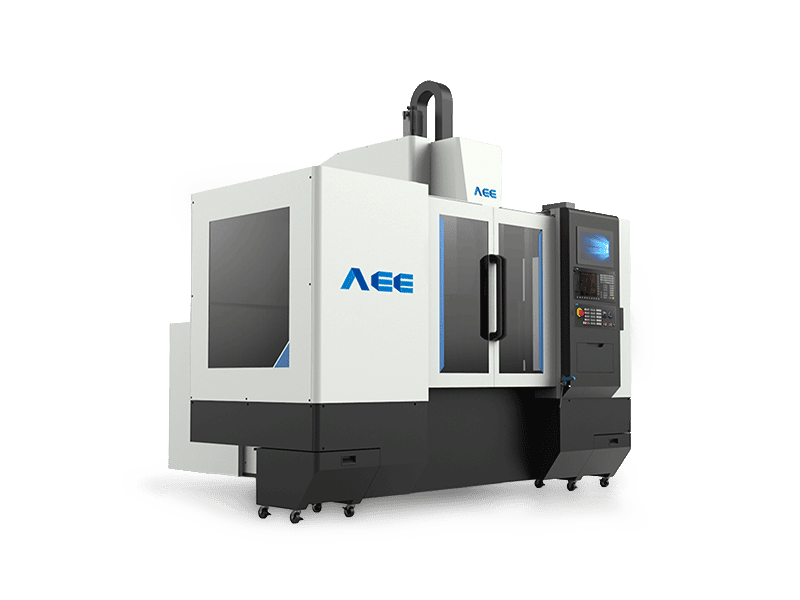
A compact C-type machine with a 12 kW spindle and 30 kN axial force covers thin aluminum applications such as water cooling plates and electronic housings. Moving to a gantry machine changes floor space and fixture cost, but the same three variables still control the outcome. I have seen buyers divide machine price by an hourly rate and then wonder why the predicted payback never arrived. Hourly rate alone misses the largest line item: rework that disappears when a solid-state weld replaces a fusion weld.
FSW vs Conventional Welding Cost Inputs
Conventional welding looks cheaper on the machine invoice and more expensive in production. MIG and TIG for aluminum require filler wire, shielding gas, joint preparation, and skilled welders. FSW shifts cost into the machine, tooling, and fixture, but removes filler wire and most fume extraction, and reduces rework on long aluminum seams.
| Cost input | Conventional MIG/TIG | FSW machine |
|---|---|---|
| Equipment | Lower initial price, often manual cells | Higher initial price, fixture and spindle included in total |
| Consumables | Filler wire, shielding gas, tungsten | Pin tools as wear items |
| Labor | High welder skill dependence | Lower operator skill, more process engineering |
| Distortion and rework | Often high on long aluminum seams | Lower, but fixture stiffness matters |
| Energy per meter | Gas and wire plus power source | Spindle power only, no filler |
| Quality verification | More repair and leak test cycles | Fewer repairs, tool wear monitoring required |
Consumable cost is where the comparison changes. A conventional aluminum weld cell looks inexpensive until the annual filler wire and gas bill is added to repair hours. FSW removes those line items but creates a different one: pin tool life. Tool life depends on alloy, plunge depth, and shoulder geometry, so the ROI model cannot use a fixed tool cost per meter across mixed production.
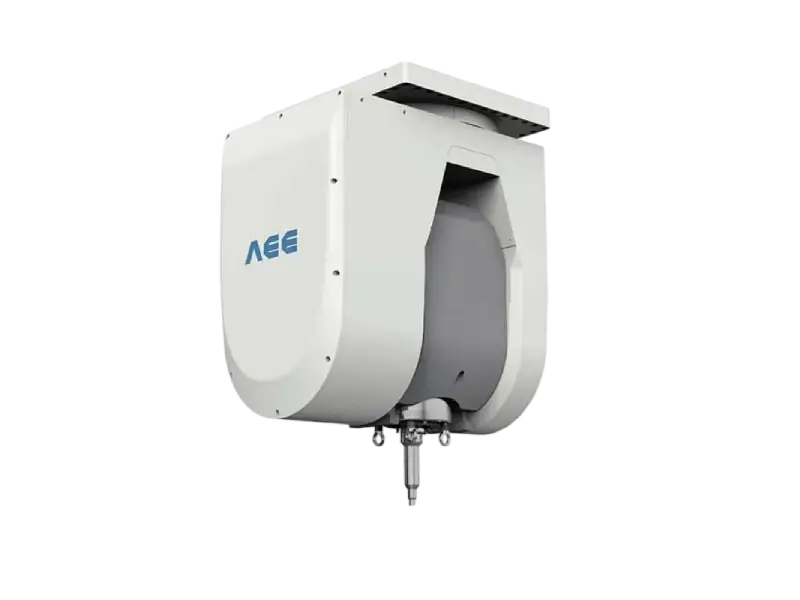
Tooling selection changes both tool life and weld quality, and it is often the first place a generic ROI model falls apart. <AEE provides customer with optional features FSW tool> covers how optional pin and shoulder configurations are matched to aluminum series and thickness, which directly affects cost per weld meter.
In House FSW vs Outsourcing Break Even
Outsourcing FSW or conventional welding is not always the wrong choice. For low annual volume, a qualified supplier removes machine investment, floor space, and process development risk. The break even point moves with part size and alloy.
When outsourcing still wins
If annual volume is below roughly 5,000 parts or weld length is under a few thousand meters, outsourcing usually wins. Small lots, prototype batches, and parts with frequent design changes do not generate enough savings to cover the machine, tooling, and engineering time. I have recommended outsourcing to customers with six month product cycles because the process development cost would have exceeded the welding spend.
When in house FSW makes more sense
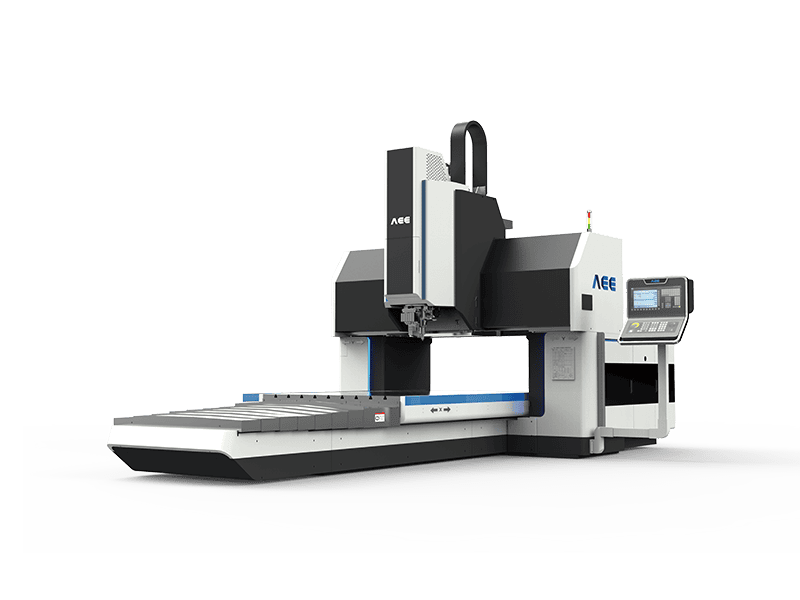
Once a product family shares a common seam design and annual volume rises, the calculation flips. Owning a gantry or dual worktable machine converts the supplier margin into capacity and cuts lead time. Geometry also matters. A 2D battery tray with multiple straight seams is easier to bring in house than a 3D curved component that requires swing head programming.
If your current outsourcing quote is stable and your product design is frozen, the break even calculation is straightforward. If your part involves long aluminum seams, mixed alloys, or low annual volume, confirm which machine class and tooling strategy fit before you lock the BOM. Send your part number, annual volume, and current cost per part to [email protected] or +86 18325808715 and we will run the comparison with your numbers.
Outsourcing also gets more complicated when parts combine different aluminum grades. <Customized Dissimilar Material Welding Manufacturers in China> covers why dissimilar joints need more process development and often raise the per part price more than buyers expect.
Common ROI Mistakes When Sourcing FSW Equipment
The most common error I see in an FSW machine ROI model is treating the machine quote as the total investment. Fixtures, spindle, tooling, installation, and training can add a large share to the equipment price when the part is complex. A machine with the right force capacity still will not pay back if the fixture concept does not hold the part rigidly during welding.
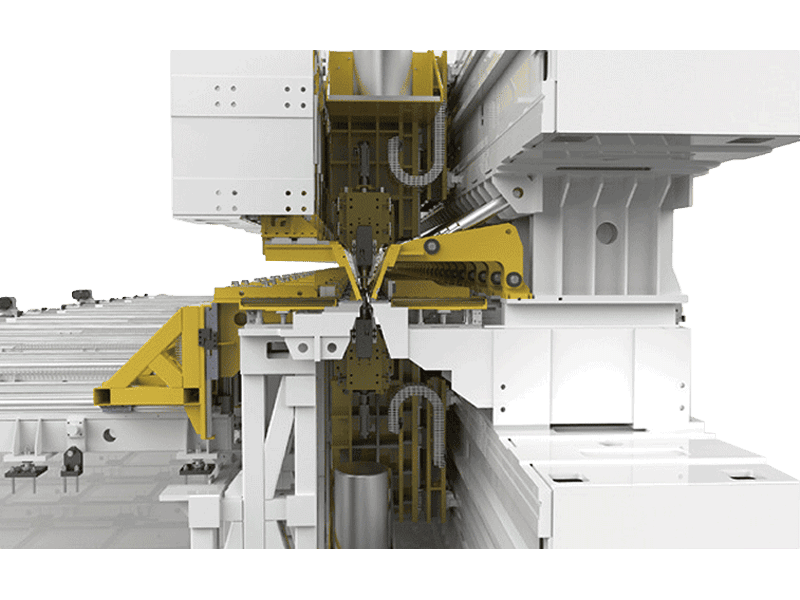
Another mistake is holding pin tool cost constant while changing alloys. A 7xxx series part will not have the same tool wear rate as a 6xxx series part at the same spindle speed. The ROI model should treat tool cost as a variable, especially when the product mix includes copper or high strength aluminum.
Process development also consumes time. The first serial part rarely comes off the machine in the first week. Parameter development and fixture adjustment may take days or weeks, and that time belongs in the payback calculation. Buyers who ignore this line item approve a machine based on ideal cycle time and then face a delayed production ramp.
Finally, buyers compare machine speed without accounting for loading time. A dual worktable machine can weld while the operator loads, which changes output per shift. The payback model should use parts per shift after loading and clamping, not ideal weld speed from a catalog.
Getting a Reliable Payback Figure for Your Part
A payback calculation that uses a fixed welding rate will not survive first contact with a real production floor. The reliable version starts with your part drawing, alloy, annual volume, and current outsourcing or welding cost. We use that data to match the machine class, spindle torque, fixture concept, and tooling strategy to your seam geometry. That way the number you present to finance reflects part specific cycle time, tool life, and rework, not a catalog average.
Send your part drawing, material grade, annual volume, and current cost per part to [email protected] or +86 18325808715. We will return a structured payback comparison for your part based on the machine and tooling configuration that fits the application.
Common Questions About FSW Machine ROI
How long does it take for an FSW machine to pay back?
Most payback periods we model land between 18 and 36 months for aluminum parts with stable annual volume. The range exists because tool life, fixture cost, and current outsourcing price vary by part. A low volume prototype program may never pay back, while a high volume battery tray line can pay back faster when the current welding and rework costs are high. The useful answer always comes from a part level calculation.
Is FSW cheaper than MIG welding for aluminum?
It is not cheaper at the machine invoice, and any comparison that stops there is misleading. MIG welding has lower equipment cost but higher filler, gas, labor, and distortion rework on aluminum. FSW becomes cheaper when the weld length is long enough to offset the machine and tooling investment. The break even point depends on annual volume, seam geometry, and the cost of rework in the current process.
When does outsourcing make more sense than buying an FSW machine?
It depends on annual volume and design stability. With roughly a few thousand parts or less per year, or with prototype work and frequent design changes, outsourcing usually wins because the supplier carries process development and equipment risk. Above stable volumes with common seam designs, in house FSW usually produces lower unit cost and faster lead time. The decision should be recalculated whenever part design or annual demand changes.
What volume is needed to justify a gantry FSW machine?
In projects I have reviewed, the gantry discussion usually starts when parts exceed the working envelope of a C-type machine or when long straight seams dominate the design. Volume alone is not decisive. A large thin panel with modest monthly demand may still justify a gantry if outsourcing rates are high and the seams are long. The better trigger is the combination of part size, seam length, and current cost per meter.
Share your part drawing and current cost per meter with [email protected], and we will confirm whether a gantry, dual worktable, or C-type machine gives the fastest payback for your volume.
If you’re interested, check out these related articles:
Customized Dissimilar Material Welding Manufacturers in China
AEE attend 13th International Symposium on FSW in Kyoto, Japan on 21 – 23 May 2024