
FSSW Machine Selection: Force, Cycle Time and Automation
Table of Contents
- How Much Z-Axis Force Does Your FSSW Machine Need?
- What Happens When Z-Axis Force Is Undersized?
- How Should You Size Force for Aluminum Versus Steel Stacks?
- What Cycle Time Makes FSSW Economically Viable?
- Cycle Time Versus Takt Time: What Actually Matters
- How Tool Changes and Exit Holes Affect Effective Cycle Time
- When Do You Need a Robot, Gantry, or Desktop FSSW Machine?
- Where Do Robot-Based FSSW Systems Make Sense?
- When Does a Fixed C-Frame or Gantry Machine Beat a Robot?
- Which Control and Monitoring Features Actually Reduce Scrap?
- Force Control Versus Position Control in FSSW
- What Should You Send an FSSW Machine Builder Before Quoting?
- What Do Buyers Ask Before Purchasing an FSSW Machine?
- Is FSSW always stronger than resistance spot welding?
- Do I need a desktop machine before buying a production FSSW system?
- How much should I budget for an FSSW machine?
- Can the same FSSW machine weld aluminum and steel?
Choosing an FSSW machine usually starts with Z-axis force, but the evaluation that actually prevents a costly mismatch runs through cycle time, tooling, and automation. I’ve seen buyers fixate on maximum force while underestimating how much the machine frame deflects at production speeds. If the force control loop cannot hold the plunge depth stable over thousands of cycles, the machine will make spots that pass visual checks but fail in shear. This guide walks through the three specifications that matter most and how to validate them before issuing a purchase order.
How Much Z-Axis Force Does Your FSSW Machine Need?
Force capacity is the first number buyers compare, and it is also the easiest to read incorrectly. A machine rated for 20 kN in Z does not necessarily deliver 20 kN of useful forging force at the workpiece through a full production shift. The frame, spindle mount, fixture, and tool all deflect under load. If the machine measures force at the servo motor but the tool tip sees a lower value, spot size and exit-hole closure will drift.
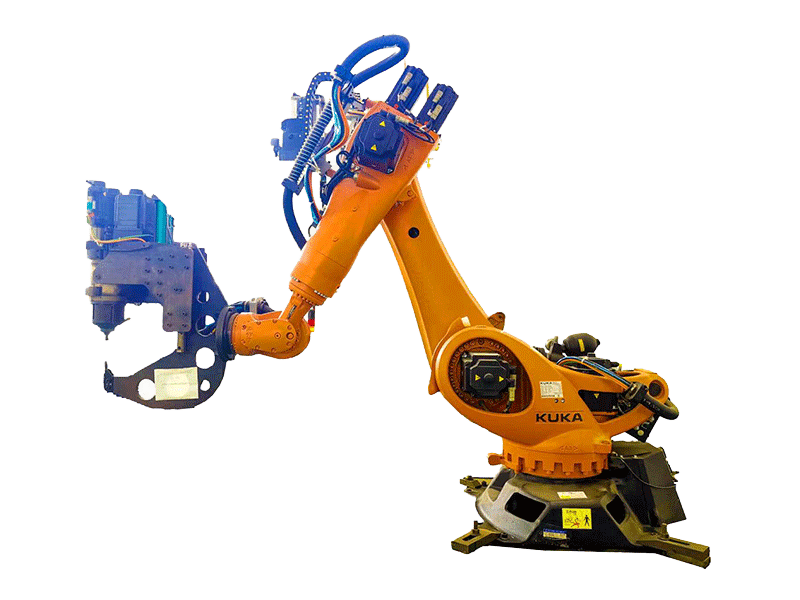
In our FSSW program work, we size force from the material stack rather than from a catalog brochure. Single-lap joints in 1.0 to 2.0 mm 5xxx or 6xxx aluminum usually fall in the single-digit kilonewton range. Stacks above 3 mm, 7xxx alloys, or aluminum-to-steel combinations regularly exceed 20 kN and also require better displacement control because the tool must compress the sleeve and backfill the pin without tearing the thinner sheet. The practical rule is to add at least 30 percent headroom above the highest measured force, not the calculated average, and then verify the machine can hold that force within a narrow band at cycle rate.
| Material stack | Typical force band | Selection implication |
|---|---|---|
| 1.0 to 2.0 mm 5xxx or 6xxx aluminum lap joint | 6 to 12 kN | Robot or C-frame can work when part access allows |
| 2.0 to 3.5 mm aluminum multi-layer stack | 12 to 20 kN | Stiff C-frame or gantry machine is a safer choice |
| 7xxx or aluminum-to-steel stack above 3 mm | 20 kN and above | Dedicated machine with displacement control |
| Thin dissimilar stack with adhesive or sealant | Often 15 kN and above | Customized machine and tooling review |
What Happens When Z-Axis Force Is Undersized?
Undersized force produces a weak stir zone, poor sleeve engagement, and incomplete backfill. The visual result can be a spot that looks flat but has a hidden cavity at the pin retreat path. In production, this shows up as shear strength scatter and later fatigue failures. We have traced more than one warranty concern back to a machine that could reach the required peak force but could not sustain it during the dwell portion of the cycle.
How Should You Size Force for Aluminum Versus Steel Stacks?
Aluminum stacks are more forgiving on peak force but more sensitive to heat input and sleeve timing. Steel and aluminum-to-steel stacks move the opposite way: the peak force is higher, but the displacement window is narrower. If you plan to run both material families, size the machine for the highest-force stack and then check whether the spindle can also hold the lower-force aluminum condition without overheating the tool. It is a force envelope problem, not a single load rating.
What Cycle Time Makes FSSW Economically Viable?
Cycle time decides whether FSSW replaces resistance spot welding or riveting, but buyers often count only the stirring seconds. The full cycle includes approach, plunge, dwell, retraction, and the automation interface time. A 1.8 second weld is meaningless if the robot path and fixture release add 4 seconds per part. In our spot welding comparison data, FSSW can deliver shear strength more than 30 percent higher than resistance spot welding while cutting energy consumption by over 90 percent, but those advantages only convert to cost savings when the machine holds a repeatable cycle.
The dwell time is where process quality is created. Short dwell produces an underdeveloped stir zone; long dwell overheats the upper sheet and may damage the sleeve. We usually determine dwell by correlating cross-section quality with shear strength, then set the production target slightly above the first acceptable point. That leaves margin for tool wear and minor lot-to-lot variation without pushing the cycle beyond the takt requirement.
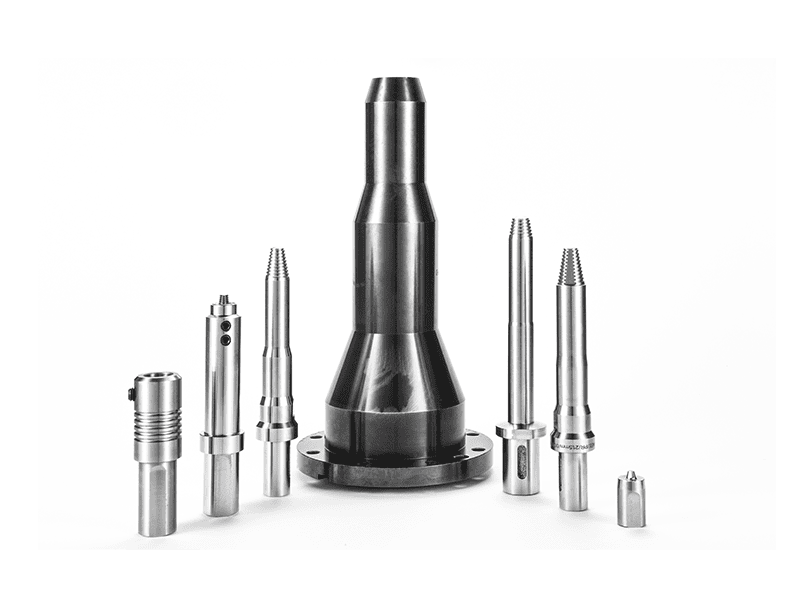
Refill FSSW changes the cycle time logic because the pin and shoulder move independently to fill the exit hole. <Refill Friction Stir Spot Welding (RFSSW)> covers how the exit-hole-free sequence extends the weld timeline and why that additional motion must be part of the machine specification, not a tooling add-on.
If your program includes mixed stacks or refill FSSW, confirm the effective weld cycle against the machine’s spindle sequence before finalizing your line design. Send your part drawing and target cycle to [email protected] for a technical review.
Cycle Time Versus Takt Time: What Actually Matters
Takt time is the production requirement; cycle time is the machine’s demonstration. If the line needs one finished spot every 4 seconds, the machine cycle must sit below that once clamping, inspection, and tool changes are included. We ask customers to measure the complete window from part lock to part release. That number, not the stirring time alone, determines whether a single-head system can meet volume or whether automation is required.
How Tool Changes and Exit Holes Affect Effective Cycle Time
Conventional FSSW can leave an exit hole unless the tool retracts or refills. If the design cannot accept a visible keyhole, the machine must run a refill sequence, and the cycle time increases. Tool changes also introduce downtime. A quick-change spindle interface costs more at purchase but can cut maintenance windows. For high-volume lines, we evaluate tool change intervals together with cycle time, because a fast weld cycle with frequent tool swaps can lose more output than a slightly slower but stable cycle.
When Do You Need a Robot, Gantry, or Desktop FSSW Machine?
Machine architecture often matters more than spindle torque. A six-axis robot carrying an FSSW spindle handles flexible part families and hard-to-reach spots, but it has lower stiffness than a fixed C-frame or gantry. If every spot needs the same force and the stack varies, a robot may only produce acceptable results after the cell adds force sensing, path compensation, and extra dwell. Fixed machines are less flexible and more repeatable. We supply both robot-based FSSW systems and desktop systems for process development. The desktop unit is not a production machine; it is for feasibility work, parameter screening, and university research.
Where Do Robot-Based FSSW Systems Make Sense?
Robot-based systems work when the part family changes frequently, the spots are spread across a large envelope, or the production volume does not justify a dedicated fixture. The tradeoff is stiffness. A robot arm deflects more under axial force, which can reduce repeatability on thicker stacks. If you choose a robot, evaluate the force sensing and path compensation as part of the cell, not as optional extras. The cell design matters as much as the machine itself.
When Does a Fixed C-Frame or Gantry Machine Beat a Robot?
A fixed machine wins when the part geometry is stable and the tolerance window is narrow. The frame can be much stiffer, the Z-axis force path is straighter, and the measurement is more repeatable. For aluminum battery trays, motor housings, or other structural spot patterns that repeat for months, a dedicated machine usually makes financial sense even if the floor footprint is larger. The flexibility of a robot is only worth paying for if you will actually change over the cell.
Which Control and Monitoring Features Actually Reduce Scrap?
After force and cycle time, the control architecture decides whether the machine can hold a process window. Force control is usually the right mode for FSSW because the material flow pressure is the direct variable. With position control alone, the tool can follow a clean path while the actual forging force drops, which hides the problem. Machines that offer both let you run development in position mode and production in force mode.
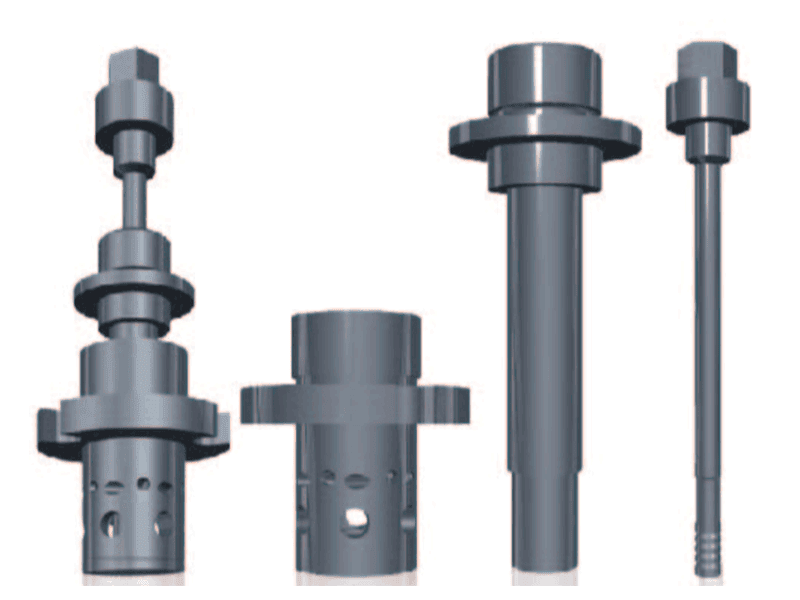
The FSSW tool adds another level of control complexity. It has three moving elements: compression sleeve, stir sleeve, and stir pin. If the machine cannot command those relative movements precisely, the spot may look flat but contain incomplete backfill. We strongly prefer systems that log force, torque, and position for every spot. That traceability matters when a customer returns a failed assembly and you need to know whether the process was out of range.
Control requirements often surface after the base machine is specified, especially for customers moving from standard aluminum to mixed-material programs. <AEE provides customer with optional features FSW tool> covers how optional tool packages and process features are evaluated against real part requirements, and why the feature review is most useful before the machine order is frozen.
Force Control Versus Position Control in FSSW
Force control drives the tool to a target axial load, which is what the material flow needs. Position control drives the tool to a target depth, which is easier to program but less tolerant of stack variation, tool wear, and thermal growth. For a new FSSW process, we develop parameters in position mode to map the depth-to-force relationship, then transfer to force control for production. That sequence reduces scrap during ramp-up and keeps the weld window stable over long runs.
What Should You Send an FSSW Machine Builder Before Quoting?
Most FSSW machine quotes go wrong because the inquiry contains only a material grade and a target cycle time. The builder then assumes the easiest stack, the stiffest fixture, and the most experienced operator. If your production line has varying gage thickness, adhesive, or high-strength alloy, that assumption gets expensive. Before you ask for a price, send your part stack, the number of spots per assembly, the required shear strength, and a short video or drawing of the access angle. We use these to confirm the force envelope, spindle sequence, and automation layout before the machine is configured.
For buyers planning aluminum-to-steel or other mixed-material spot welding, standard catalog machines may not be enough. <Customized Dissimilar Material Welding Manufacturers in China> covers how dissimilar material programs change force control, tooling, and machine stiffness requirements in ways that push many projects toward customized configurations.
If your program involves dissimilar stacks or refill FSSW, tell us at this stage; it changes the tool path and axis requirements. Send the part drawing, material specification, and target takt time to [email protected] or call +86 18325808715 for a technical review.
What Do Buyers Ask Before Purchasing an FSSW Machine?
Is FSSW always stronger than resistance spot welding?
Not automatically. The comparison data we use with customers shows FSSW can raise shear strength by more than 30 percent against resistance spot welding and cut energy consumption by over 90 percent, but those results assume correct pin geometry, plunge depth, and backfill. If the machine cannot hold the prescribed force profile, the spot may look acceptable and fail early in fatigue. In our testing, appearance is not a reliable strength indicator. The reliable path is to specify the required shear load and let the process window be developed from that value, not from a single best-case sample.
Do I need a desktop machine before buying a production FSSW system?
A desktop machine is not a prerequisite for every program, but it is useful when the material stack is new or the joint configuration has not been welded before. It permits low-cost parameter screening before committing floor space and fixture design. For a repeat part family with known aluminum grades, you can often skip the desktop step and run feasibility trials on the production-class machine. The risk is not the machine cost. It is losing weeks while a production cell waits for process parameters that could have been developed offline.
How much should I budget for an FSSW machine?
It depends on force capacity, automation, and whether you need refill or conventional FSSW. A desktop system for process development sits at the lower end, but it will not carry production volume. A robot-based cell with force control and tool conditioning falls higher, and a stiff dedicated machine for thicker or dissimilar stacks goes higher still. Rather than buy on footprint, work from the number of spots per shift, the maximum stack thickness, and the tolerance for rework. Those three inputs drive the machine envelope more directly than any catalog category.
Can the same FSSW machine weld aluminum and steel?
In programs we have supported, aluminum-to-steel FSSW is feasible when the machine has enough stiffness and the correct displacement control, but it is not a simple parameter swap. The tool sees higher interface temperatures and different material flow, so the pin and sleeve package must be matched to the stack. Confirm this during the machine review, not after delivery. Share your material pair, thickness, and required shear strength with us at [email protected] and we will verify the right machine and tool configuration before you commit.
If you’re interested, check out these related articles:
Refill Friction Stir Spot Welding (RFSSW)
Customized Dissimilar Material Welding Manufacturers in China
AEE provides customer with optional features FSW tool
AEE attend 13th International Symposium on FSW in Kyoto, Japan on 21 – 23 May 2024