
Used or New FSW Machine? Cost and Inspection Risks
Table of Contents
- How Used and New FSW Machines Differ in Practice
- Where the Real Cost Difference Comes From
- Which Machine Condition Fits Your Production Case
- How to Inspect a Used FSW Machine Before Purchase
- Mechanical structure and axes
- Spindle, tool holder and force system
- Control, safety and documentation
- What a Weld Trial Must Prove and What It Cannot
- What New Machine Specifications Buy
- Contract Terms That Protect the Buyer
- Send the Part Data Before You Compare Offers
- FAQ
- Is a used FSW machine worth buying?
- What is the biggest risk when buying a used FSW machine?
- Can a used FSW machine be used for aerospace or EV battery production?
- What should the purchase contract include?
Used vs. new FSW machines is a capital decision that turns on condition and proof, not age alone. A used machine can be the lower-risk choice when its current spindle, axes, force control, fixture and safety systems are inspected and its process window is demonstrated on the parts you will weld. It becomes the higher-risk choice when a low purchase price depends on an assumption that those systems will behave like new after delivery. The useful question is not simply which option is cheaper, but which option reaches an accepted production state with fewer unresolved technical and commercial risks.
How Used and New FSW Machines Differ in Practice
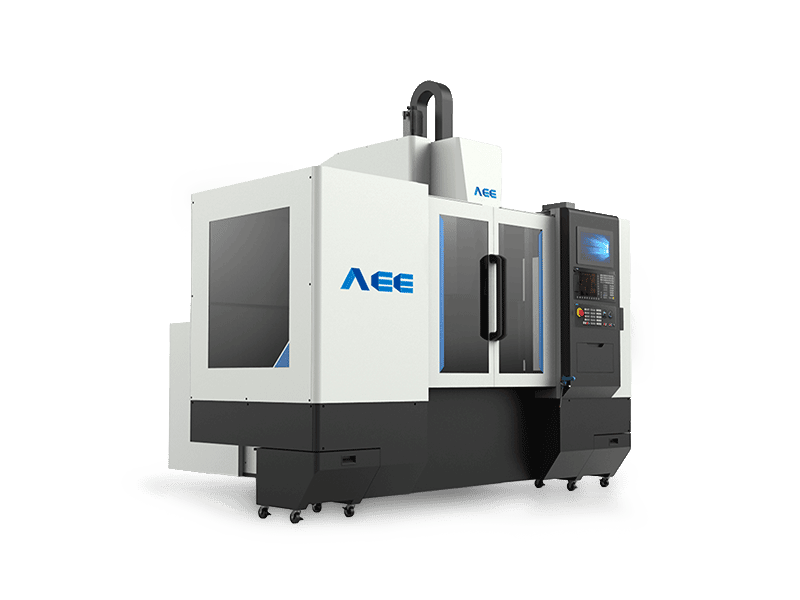
Used is not one condition. It can mean a low-hour ex-demonstration machine, a rebuilt machine with a documented scope, or an as-is unit removed from service. New is not one specification either. A standard C-type machine and a custom gantry machine both qualify as new, yet their process envelopes differ in spindle torque, axial force, table size, control axes and fixture strategy.
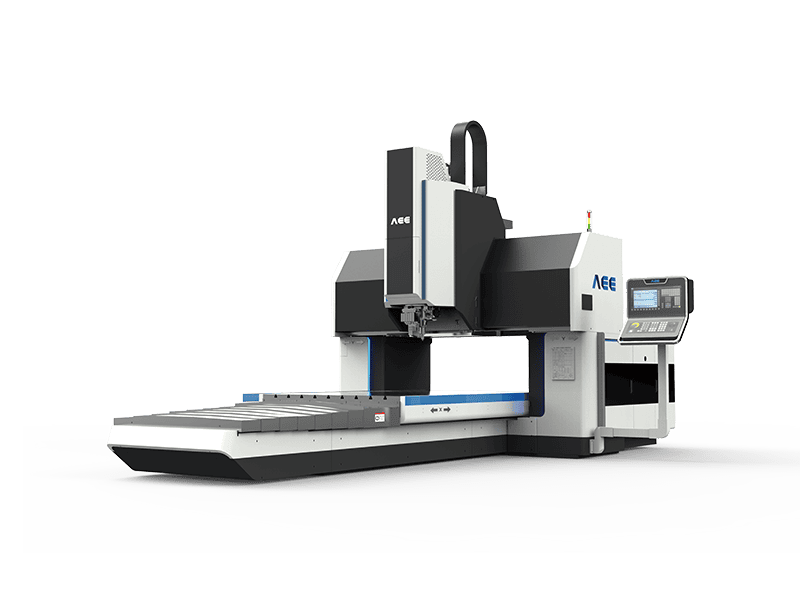
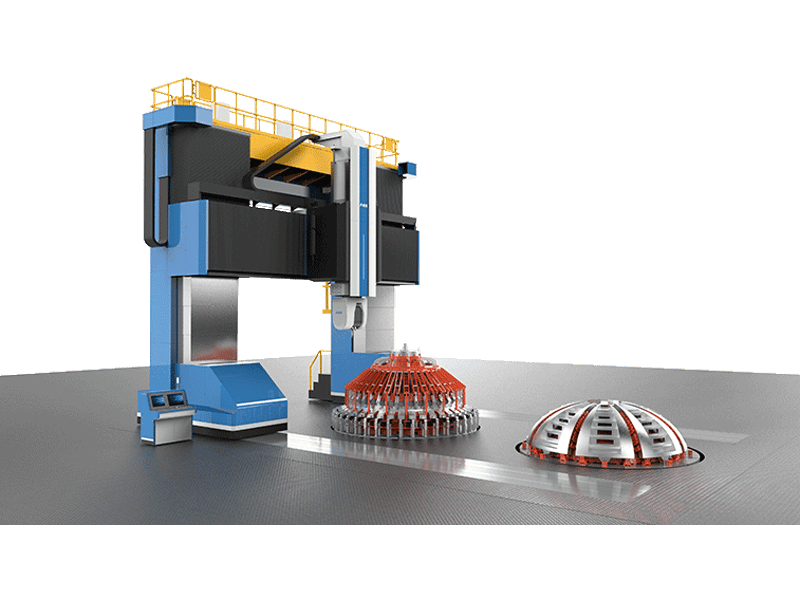
Those differences decide whether a machine can perform the intended weld at the required duty cycle without running at its limit. A compact C-type machine may suit 8 mm aluminum and small cooling plates; a gantry machine may carry 25 mm thickness and a 2500 by 4000 mm table; a heavy-load machine may reach 100 mm and 200 kN Z-axis force. A machine with an 8 mm maximum welding thickness cannot be asked to weld a 12 mm section because the control has a new program. The mechanical envelope, spindle capacity and force system set the limit.
Age matters mainly through wear and supportability. Spindle bearings, tool-holder interfaces, guideways, ballscrews and force sensors accumulate condition changes that a paint finish does not reveal. Control hardware and software also age. A machine may still run while its drives, screens or parameter backups are no longer supported by the original supplier. That is a production risk even when the frame is sound.
The practical comparison is therefore not new versus used in the abstract. It is documented capability at delivery versus assumed capability. A used machine with a known rebuild scope, current calibration and a successful trial on your joint can be a defined purchase. An as-is machine with no history is an unmeasured repair project, whatever its model plate says.
Where the Real Cost Difference Comes From
Purchase price is the easiest number to compare and the least reliable basis for a decision. A used machine often carries a lower asking price because the seller is transferring condition risk, integration work and documentation gaps to the buyer. A new machine carries a higher asking price because the supplier retains more of that scope through design records, warranty, installation support and spare parts.
The delivered cost includes transport, lifting, foundation work, power connection, compressed air, commissioning, tooling, fixture design, operator training and process qualification. A used machine may also need spindle repair, drive replacement, control retrofit, safety upgrades or a new fixture because the existing fixture was built for the previous owner’s part. Those items are not incidental. They determine when the machine reaches an accepted production state.
Normalize every offer to the same basis: delivered, installed, powered, trained, spare parts included and acceptance-tested on a defined joint. A low asking price with no tooling or fixture is not comparable with a higher price that includes a complete process package. Ask for itemized quotes covering the machine, tooling, fixture, commissioning, training, warranty and recommended spare parts.
For a used machine, request a priced repair scope rather than a verbal assurance that it was running before removal. The repair scope should separate must-fix items from optional improvements. If the seller cannot provide that breakdown, treat the missing information as a cost and a schedule risk.
Which Machine Condition Fits Your Production Case
The decision changes with the part family, annual volume, quality evidence and the buyer’s willingness to run qualification work. A low-duty development cell has different acceptance needs from a production line making leak-tight battery housings or flight-critical structures.
| Option | Best fit | Main cost risk | Do not choose when |
|---|---|---|---|
| New standard or customized machine | A defined part family and production target that need a documented process window, warranty and long-term spare parts support | Higher capital, longer lead time and commissioning effort | The part, fixture and acceptance test are still undefined, because the machine purchase will not define them for you |
| Used as-is machine | Development, low-duty or lower-consequence work where a power-on inspection and representative trial are allowed | Hidden spindle, control, force-system or fixture repair after delivery | The seller blocks inspection, records or a trial weld on your joint |
| Used rebuilt machine with documented scope | An existing product family and a rebuild that covers spindle, axes, force system, control and safety | Gaps between rebuilt subsystems and the original frame, fixture or tooling | The rebuild scope excludes the acceptance weld or a key subsystem |
If the work is repetitive and the quality system requires traceable parameters, a new machine or a rebuilt machine with a full acceptance package is easier to defend. If the work is exploratory and the buyer can absorb some downtime, a used as-is machine may be a reasonable development tool. If the machine will make safety-critical or leak-tight parts, the condition assessment must cover the same functions that the production release requires.
For large panels, frame stiffness, table support and gantry alignment matter as much as the controller brand. A gantry machine can provide the working envelope, but a worn guideway or uneven table will show up as inconsistent penetration across the seam.
Do not treat used as one risk level. A low-hour ex-demonstration machine with records and a willing trial is a different purchase from an as-is machine with no maintenance history. Source and condition overlap, but they are not the same dimension. The buyer needs both facts before comparing price.
How to Inspect a Used FSW Machine Before Purchase
Inspection has two stages. Identity screening confirms the model, serial number, options and claimed configuration. Technical acceptance confirms current condition under power, with measurements and a representative weld. The first stage does not prove the second. A clean nameplate and a set of photos are useful for identifying the asset, not for releasing it into production.
Mechanical structure and axes
Inspect the frame, table, T-slots, guideways, ballscrews, way covers and lubrication system for damage, repairs and contamination. Check for cracks, repaired welds, fretting, rust and signs that the machine was overloaded or run without lubrication. Confirm that the table is level and that the fixture mounting surfaces are usable.
Measure backlash and positioning against the builder’s data or the tolerance your process requires, then record the result. A handwheel turn or a rapid traverse is not a measurement. Check for dead spots, noisy motion and inconsistent reversal. For a machine with a rotary or tilt axis, inspect the gearbox, bearing play and reference position before accepting the axis as production-ready.
Confirm that the existing fixture, if any, matches your part. A used fixture can be more expensive to adapt than to replace, especially when its clamping points, backing plate or thermal path were designed for another product.
Spindle, tool holder and force system
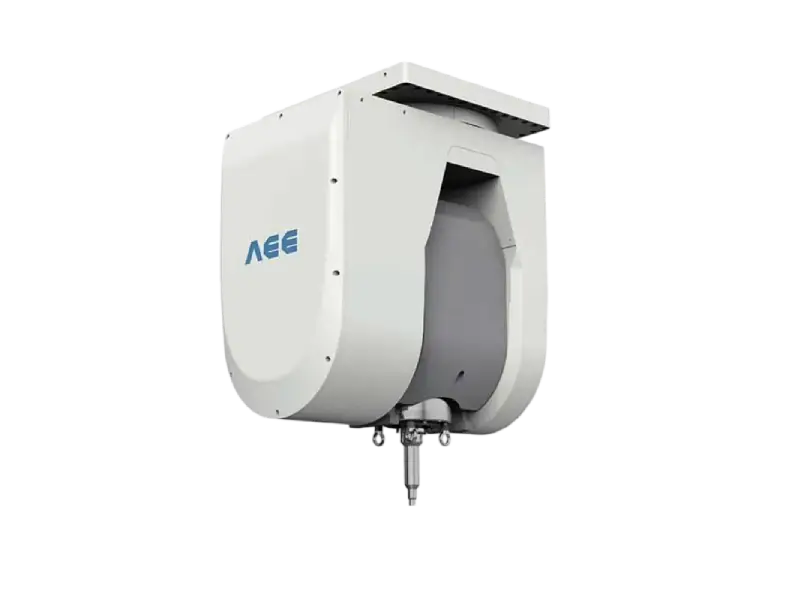
Check the spindle taper, runout, tool-holder clamp, drawbar, cooling circuit, noise and temperature rise during a warm-up run. Confirm the tool-holder interface and available tooling match the spindle. A tool holder that fits the spindle but not the planned pin tool is still a mismatch.
Verify the force-control response with a calibrated load cell or witness a current calibration check. A calibration certificate is a record of a past event, not proof that the force system responds correctly today. Check axial force, torque and position response through a controlled cycle. If the machine uses force control, confirm that the control loop is stable and that the recorded values track the commanded values.
Inspect the tool package for wear, previous repairs and compatibility with the alloy and thickness you plan to weld. A used machine may include tooling for the previous owner’s product, not for your joint.
Control, safety and documentation
Record the controller model, drive types, software version, parameter backup and password status. Confirm that the seller can supply the electrical drawings, PLC program, machine parameters, maintenance records and calibration history. Without those files, routine recovery becomes a service project.
Inspect guards, interlocks, emergency stops, safety relays and any bypassed circuits. A machine that runs does not necessarily run with its original safety functions intact. Confirm that the safety system matches the way the machine will be operated and maintained.
Ask for the maintenance history, known faults, repair records and the reason for sale. Then verify the important claims under power. The following records support different levels of confidence, and none replaces a current test.
| Record | Method context | Responsible use | Do not infer |
|---|---|---|---|
| Nameplate and serial number | Plate check and photo comparison with the builder’s data | Confirms model, options and claimed identity | That the machine still meets its original performance |
| Spindle running hours | Counter reading and maintenance log review | Indicates accumulated use if the counter is original and functional | That low hours prove bearing or tool-holder condition |
| Maintenance and calibration records | Document review plus a current functional check | Shows declared service and calibration history | That current alignment, backlash or force response is within specification |
| Trial weld on the buyer’s joint | Agreed alloy, thickness, tool, fixture and parameters | Demonstrates performance for that defined setup | That the result transfers to another alloy, thickness, fixture or parameter set |
| Nondestructive testing of the trial weld | Agreed method and coverage | Detects discontinuities in the examined volume | That the whole machine or the fatigue life of the joint is qualified |
What a Weld Trial Must Prove and What It Cannot
A weld trial is useful only when it is defined before the machine is moved. Write down the alloy and temper, thickness, joint type, tool, tool holder, fixture, backing arrangement, parameters, test methods and acceptance criteria. Run more than one sample so that repeatability is visible. Record spindle speed, travel speed, axial force, torque and temperature data when the machine can log them.
The trial should use a fixture that represents production. A sample clamped in a way that will not be used on the shop floor proves very little. If the buyer’s fixture is not ready, use a representative fixture and record the difference.
Inspect the trial weld for surface condition, flash, thinning, exit defects and root features. Use the agreed nondestructive method for the joint, then cut samples for macro examination or mechanical testing where the application requires it. For a leak-tight part, include a pressure or leak test that matches the service requirement. A visually acceptable weld is not a complete acceptance result.
The limit is scope. A trial result covers the material, thickness, tool, fixture, machine condition and parameter set that produced it. A good weld in one thickness does not prove a thicker section. A good result on one aluminum grade does not transfer to another grade or to copper. If the seller cannot run a trial on a representative joint, treat the machine as an as-is purchase and price the missing qualification work into the decision.
What New Machine Specifications Buy
A new machine buys a defined process envelope, drawings, warranty, spare parts support, training and a known controller configuration. It does not buy a qualified weld. Process development, fixture design, tooling, parameter windows and operator skill still determine the result. A new machine is a platform, not a released process.
The table below uses current product data for three new-machine classes. It shows why the machine class must be matched to the part before price is compared.
| Machine class | Example model | Maximum welding thickness | Spindle speed, torque and power | Maximum Z-axis force | Table size |
|---|---|---|---|---|---|
| C-type | AEE FSW 8×10/2 | 8 mm | 4000 rpm, 112 Nm, 12 kW | 30 kN | 600 × 1200 mm |
| Gantry | AEE FSW 25×40/1 | 25 mm | 2000 rpm, 257 Nm, 31 kW | 60 kN | 2500 × 4000 mm |
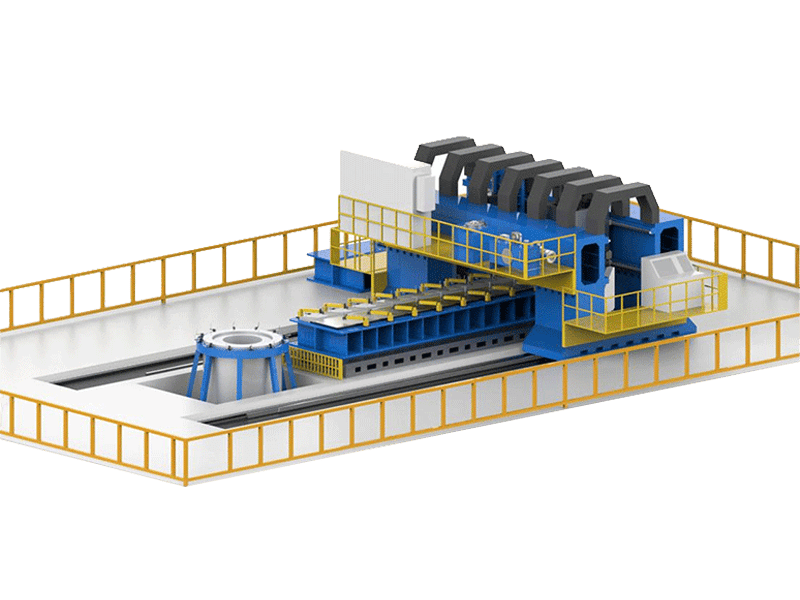
| Heavy load | AEE FSW 100×100/2 | 100 mm | 1000 rpm, 872 Nm, 105 kW | 200 kN | 3000 × 8000 mm |
A new heavy-load machine can reach 100 mm single-side aluminum and 200 kN Z-axis force, but that capacity only matters when the fixture, backing, tool and material support it. Buying the largest machine without the matching process package adds cost without adding capability.
A new 3D machine adds rotary axes for curved geometries. A used 2D machine cannot be programmed into 3D capability. If the part has a curved seam or a changing weld angle, the machine kinematics and the fixture must be checked before the machine is selected.
Tooling and optional features belong in the same comparison. A machine quoted without the required tool holder, pin tool, cooling, fixture and spare tooling is not a complete offer. The tool package must match the alloy, thickness and joint, and the holder interface must match the spindle. A used machine may include a tool package that no longer matches the next product, while a new machine can be specified around the parts you intend to weld.
A used machine may include a tool package that no longer matches the next product, while a new machine can be specified around the parts you intend to weld. <AEE provides customer with optional features FSW tool> covers optional features for FSW tooling.
Contract Terms That Protect the Buyer
Write acceptance into the contract before payment. The contract should list the exact machine configuration, serial number, tooling, fixtures, software, training, spare parts and documentation to be handed over. It should also define who handles transport, lifting, foundation, utilities, installation and commissioning.
Tie final payment to acceptance, not shipment. The acceptance test should name the material, joint, tool, fixture, parameters, sample quantity, test methods and remedy if the result fails. For a used machine, state the inspection access, known faults, as-is or warranty position and the documents the seller will provide. A verbal statement that the machine was running before removal is not acceptance evidence.
Define what happens if the machine fails the acceptance weld. Repair, replacement, price adjustment and return rights are commercial decisions, but they need to be written before the machine leaves the seller’s floor. A used machine can still have an inspection window and a return right for a major fault that was not disclosed.
Send the Part Data Before You Compare Offers
Send the part drawings, alloy and thickness range, weld length, annual volume and the inspection records you have before you compare a used machine with a new quote. That package lets us check the process window, define the acceptance weld and identify the machine class that fits the work. Dr. Wang Wei, Aerospace Engineering Equipment (Suzhou) Co., Ltd., [email protected], +86 18325808715.
FAQ
Is a used FSW machine worth buying?
Sometimes. A used machine is worth buying when its current condition is documented, its process window covers your parts and the seller accepts a trial weld on a representative joint. Compare the price with a new machine on a delivered, installed and accepted basis. If records are missing or a power-on trial is refused, the apparent saving is not a measured saving; it is an unpriced repair and qualification risk.
What is the biggest risk when buying a used FSW machine?
The hidden condition of the spindle, guideways, force control and control system. These items can pass a visual inspection and still fail in production. A second risk is configuration mismatch, because the fixture, tooling or control software may be tied to the previous owner’s part. Inspect under power, measure key functions and run a trial on your own joint before release.
Can a used FSW machine be used for aerospace or EV battery production?
It can, but the acceptance evidence has to match that use. Aerospace and battery work usually need traceability, controlled parameters, documented maintenance and leak or strength tests. A used machine can enter that work only after the same qualification that a new machine needs, plus a condition assessment of the specific unit. If the seller cannot support that evidence, choose a new or rebuilt machine with a defined scope.
What should the purchase contract include?
List the exact configuration, tooling, fixtures, software, training and spare parts. Define the acceptance weld, the tests, the sample quantity and the remedy if the test fails. Tie final payment to acceptance, not shipment. For a used machine, state the inspection access, known faults, warranty or as-is position and the documents to be handed over. These terms turn a verbal promise into a release condition.
If you’re interested, check out these related articles:
Customized Dissimilar Material Welding Manufacturers in China
AEE provides customer with optional features FSW tool
Refill Friction Stir Spot Welding (RFSSW)
AEE attend 13th International Symposium on FSW in Kyoto, Japan on 21 – 23 May 2024